
Scoliosis Home Exercise Program
Call today to schedule an appointment with one of our pediatric specialists.
Orthopedics Referrals
View the referral guidelines
AthenaHealth Patient Portal
Patients seen at Rady Children’s Orthopedics Center in Orange, Irvine or Mission Viejo may access their medical records through the Athenahealth Patient Portal.
If you have been diagnosed with scoliosis, it is important to become more aware of your body, especially your spine. This may help you use self-correction to change your spine’s position during daily activities.
For practice, we have developed a home exercise program that focuses on managing scoliosis symptoms through spine and core strengthening, proprioception and posture. Scoliosis exercises should be done carefully and performed with proper technique. The goal is to promote symmetry within the spine to regain trunk alignment and reduce back pain.
Step-by-Step Exercise Guide for Scoliosis
This guide provides instructions on the following exercises. Please consult with your doctor before starting any home exercise program. These exercises should not replace instructions from your doctor.
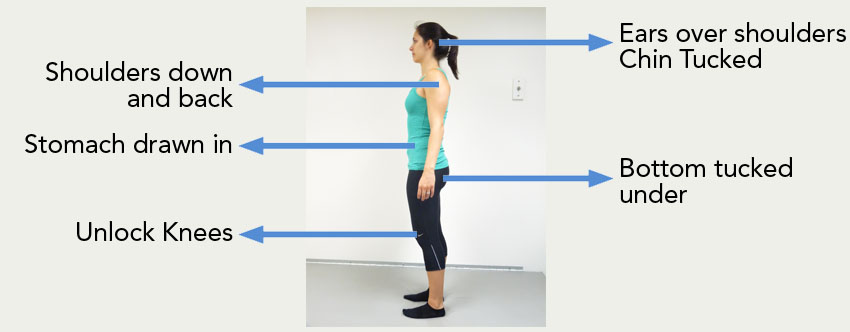
Developing good posture can help reduce tension and pain in the spine. Many people unconsciously hold tension in their shoulders and neck, which can increase tension and lead to fatigue. To avoid this, it is important to practice good posture throughout the day.
Good Standing Posture
You’ll also meet with our child life specialists, who explain procedures in age-appropriate ways to ease any fears or anxiety. A dedicated care coordinator will be your main point of contact, helping with logistics, insurance, paperwork, and surgery-day planning so you can focus on your child.
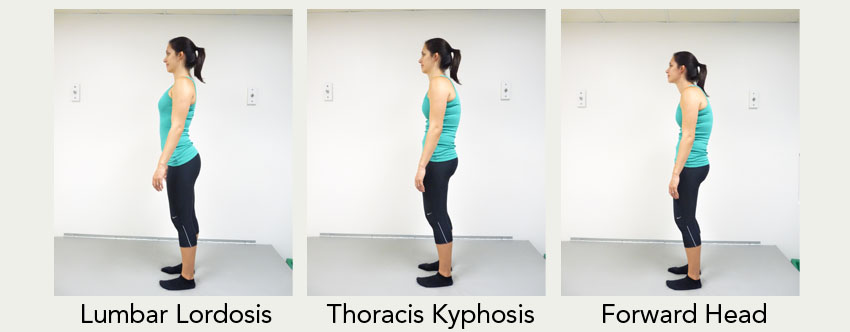
Bad Standing Posture
Good Sitting Posture

Although good posture should be natural, it can initially feel stiff and awkward. The key is to practice good
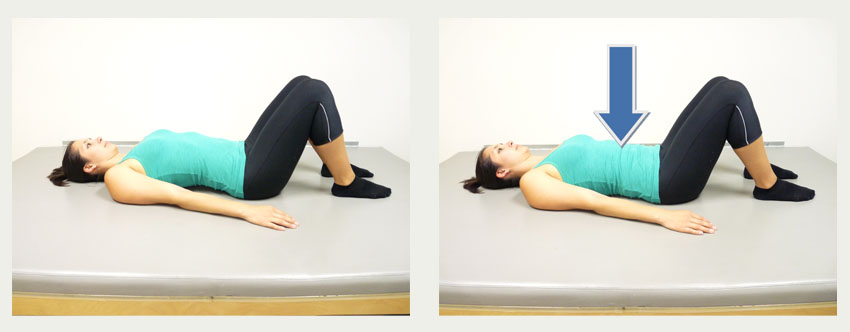
Lie on your back with your knees bent and feet flat on the floor. Flatten your back by tightening your stomach muscles and buttocks. Hold for 5 seconds, breathing normally. Repeat ten (10) times per set. Do two (2) sets per session. Do one (1) session per day.
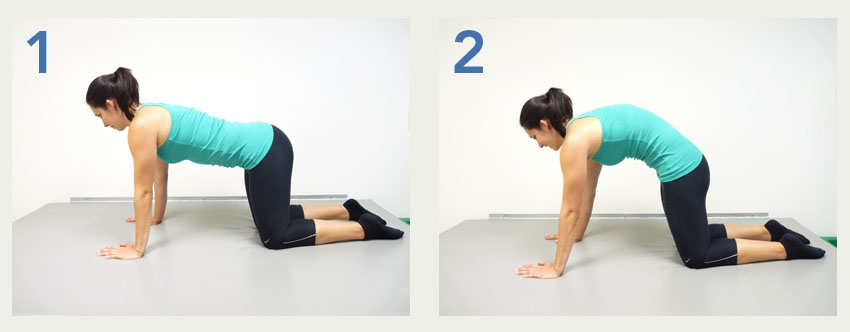
On your hands and knees, maintain tight abdominals with your head straight (Photo 1). Take a deep breath in and lift your lower rib cage, round your back and relax your neck (Photo 2). As you breathe out, lower your chest towards the floor, looking slightly upward. Return to beginning position with tight abdominals. Repeat ten (10) times per set. Do two (2) sets per session. Do one (1) session per day.
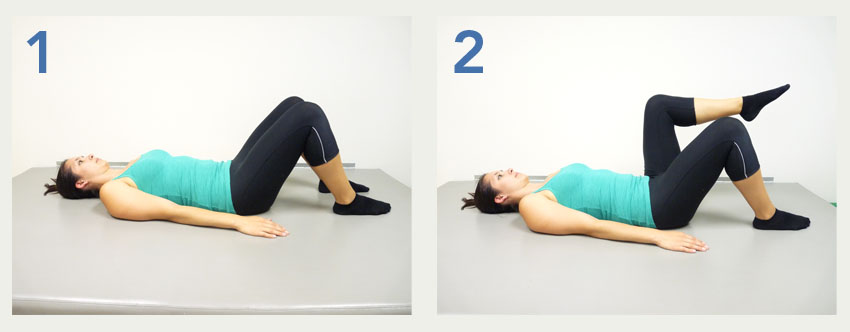
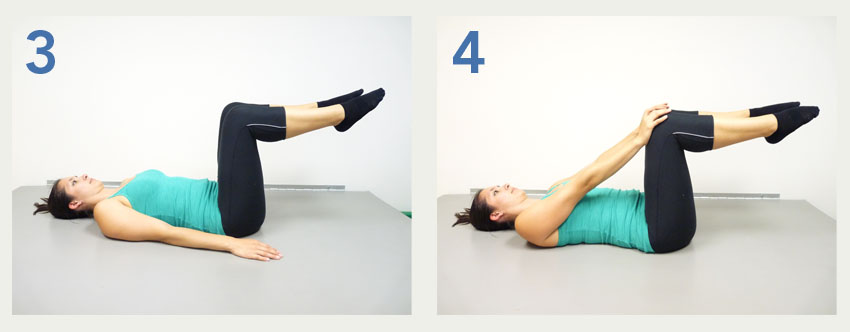
Lie on your back with your knees bent and your feet flat on the floor (Photo 1), keeping your back in a neutral position. Raise your legs off the floor one at a time so that your knees and hips are bent at 90° angles (Photo 2, 3).
Push your hands against your knees while pulling your knees toward your hands, which will engage your abdominal muscles (Photo 4). Keep your arms straight! Hold for three deep breaths. Repeat ten (10) times per set. Do two (2) sets per session. Do one (1) session per day.
(If possible, perform in front of a mirror to help visualize a straight spine.)
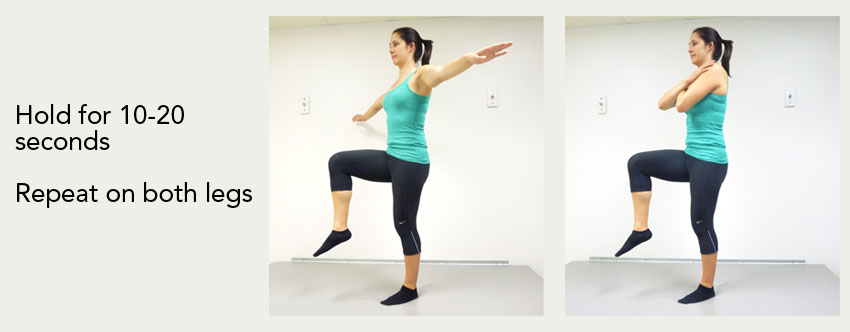
With your eyes open, bend one knee up and balance on one foot. At first you may use your hands, like holding the back of a chair, table, or the wall. As balancing gets easier, take your hand
A plank is a basic stabilizing exercise that activates muscles that support your spine. Start by laying on your stomach with your arms bent by your sides. Place your elbows directly under your shoulders and place your palms flat on the floor in front of your elbows. Your body should be in a straight line from your feet to your head. To ensure your spine stays in a neutral position, keep your abs tight and bring your hips level to your shoulders. Hold this position for a few seconds. Watch the video for instructions on how to properly perform a plank:
You can also download our scoliosis home exercise program here.
For more information on scoliosis exercises you can do at home, hear from our experts below about core strengthening, posture, and aftercare.

